Major Post 1: Daisy Jacobs & Stop Motion

In class one, we discussed several films that were created using stop motion techniques. One film I really enjoyed was “The Bigger Picture” by Daisy Jacobs. The artists mainly animated the characters by painting them on the walls of the set and taking many pictures of the paintings. In the first scene, Richard drives up to the house in his car. Considering that this was animated using paint on a flat surface, the finished product is quite dimensional. They used the elements of scale and value to create the look of the car growing as it drives down the hill.

The artists also used three-dimensional props made from paper mache. Whenever the bodies of the two-dimensional characters extended away from the wall, there was a paper mache prop to create that illusion. An example of this is also in the first scene when Nick picks up the teapot. Another interesting aspect is how the artists animated water. When the boiling water is poured, they animated the paint to imitate water. In a later scene, Nick again pours a cup of tea, but this time three-dimensional transparent plastic is used.

There are many more interesting elements in this animated film; all of which help add to the overall mood. I’m looking forward to watching more of Daisy Jacobs’ work.

Sydney McPherson

Major post 2: Betty Boop

Today’s lectures revolved around the cartoons of the 1920s and the impact of Max Fleischer in the animation industry. He introduced a wide array of characters that are as memorable as Mickey Mouse himself. Some of these characters include: Popeye, Bimbo the dog, Koko the clown, and the subject of my post, Betty Boop.

Now, the Betty Boop we know is a bit different from the one made back in the 1930s. While she is still depicted as a baby voiced caricature of a flapper girl on the outside, a lot of her sexual undertones and outspokenness against the old morals of previous generations have long since been expunged from her personality. The sex symbol was criticized by parents due to the message she was sending to their impressionable children. So, with the uproar of parents and the passing of the Hay’s Law, Betty Boop’s risky attitude was watered down. This code was a restriction adopted in 1934 that stifled American cinema and called for harsh censorship of all entertainment in the United States. Due to this censorship, Betty Boop went from being the rebellious sexual fully realized woman to being depicted as a much demurer working girl.

LeAnn Schmitt

Major Post 01

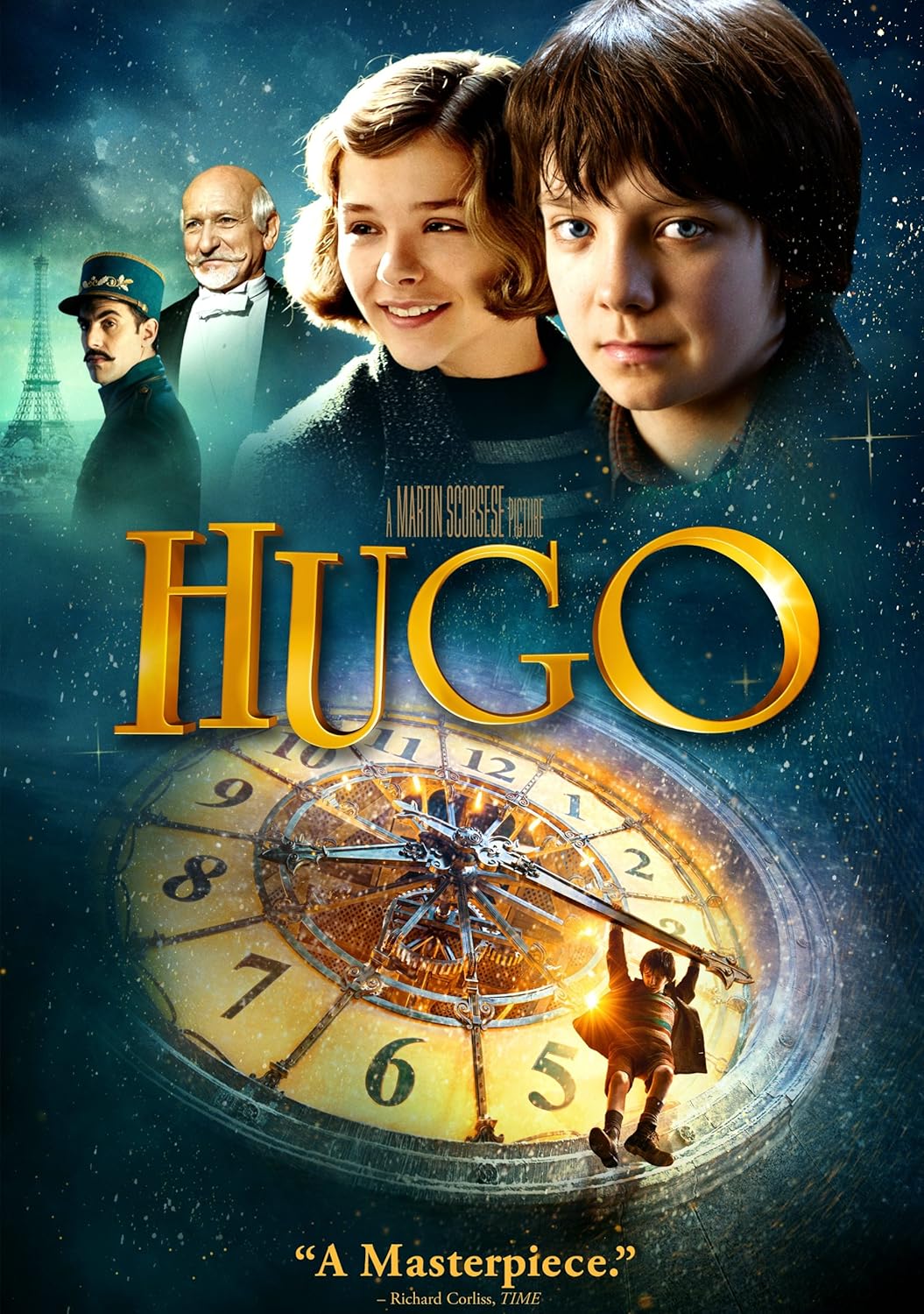
A long time ago, I saw a clip of A Trip To The Moon showing on the TV. Later I found that the movie name was named Hugo. It caught my interest but that was the semi-ending part of the movie so I went ahead to watch this again on my computer. Until recently, I knew my mistake on thinking that A Trip To The Moon was just a part of the movie Hugo, it was a stand-alone animation from the old times, one of the very first animation.

Hugo is a historical adventure drama film, directed and produced by Martin Scorsese. The story is talking about a boy who lived in the Gare Montparnasse railway station in Paris in the 1930s. His clockmaker father found a broken automaton at the museum. He and Hugo tried to repair it, documenting everything about it in a notebook. Unfortunately his father died in a fire. Hugo continued to repair the automaton, believing it contained a message from his father. The final piece he needed was a heart-shaped key. In the station, he met Isabelle who would like to go on an adventure with Hugo and later was found wearing a heart-shaped key. When the automaton activated, it drew a famous scene of A Trip To The Moon, reviewing that Isabelle’s godfather, Georges Méliès was a film maker but gave up after the effect of WW1. Hugo and Isabelle went on a quest to hopefully find a way to invigorate Georges.

Hugo film