
The Adventures of Prince Achmed (1926) is considered the earliest surviving animation feature film, and was seminal in both production technique and artistic height.
As mentioned in my last post, Reiniger and her team developed the precursor to the multiplane camera while working on Achmed, which was major for later mainstream animation. But Achmed is also connected to fine art animation through its team: Berthold Bartosch, who worked on special effects and backgrounds for Reiniger’s production, later used similar multi-layered glass methods for his epic tragic short The Idea (1932). Walter Ruttman was also a background artist on Achmed and his later abstract short films using film tinting techniques placed him firmly within the avant-garde filmmaking tradition.

The legacy of Reiniger’s silhouette style has also lived on in animation. The most evident and notable example is French Michel Ocelot’s silhouette works; most notably his television series Ciné Si (1989), perhaps better known in its collected form in the compilation film Princes et Princesses (2000), which are exclusively in the style of silhouette animation. These works and Ocelot’s oeuvre deserves its own analysis for another post.
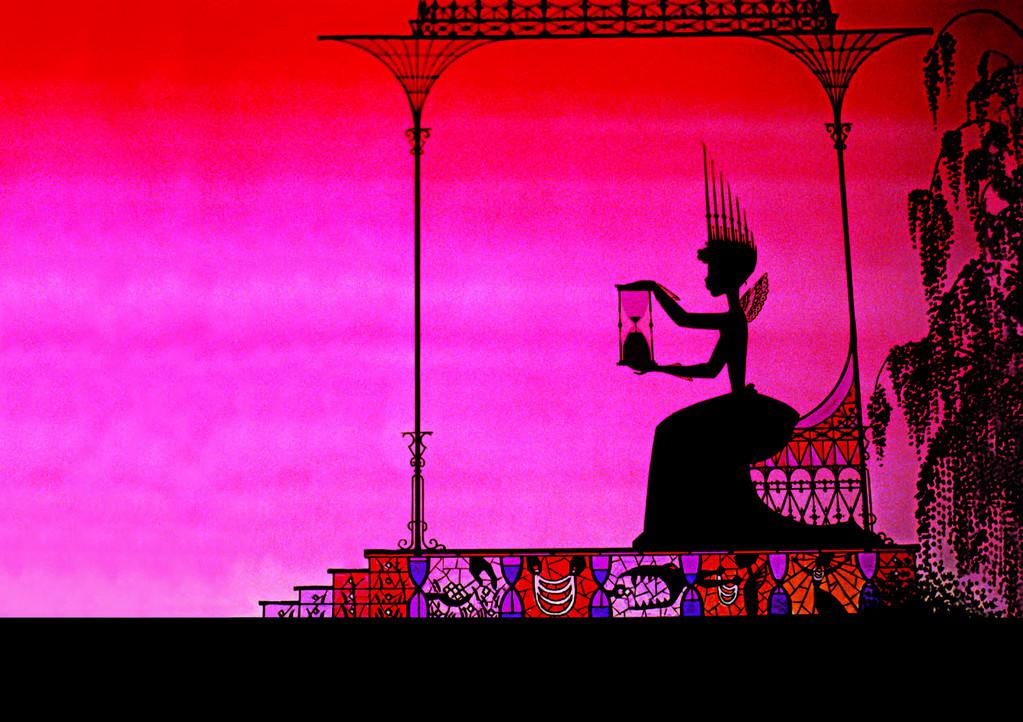
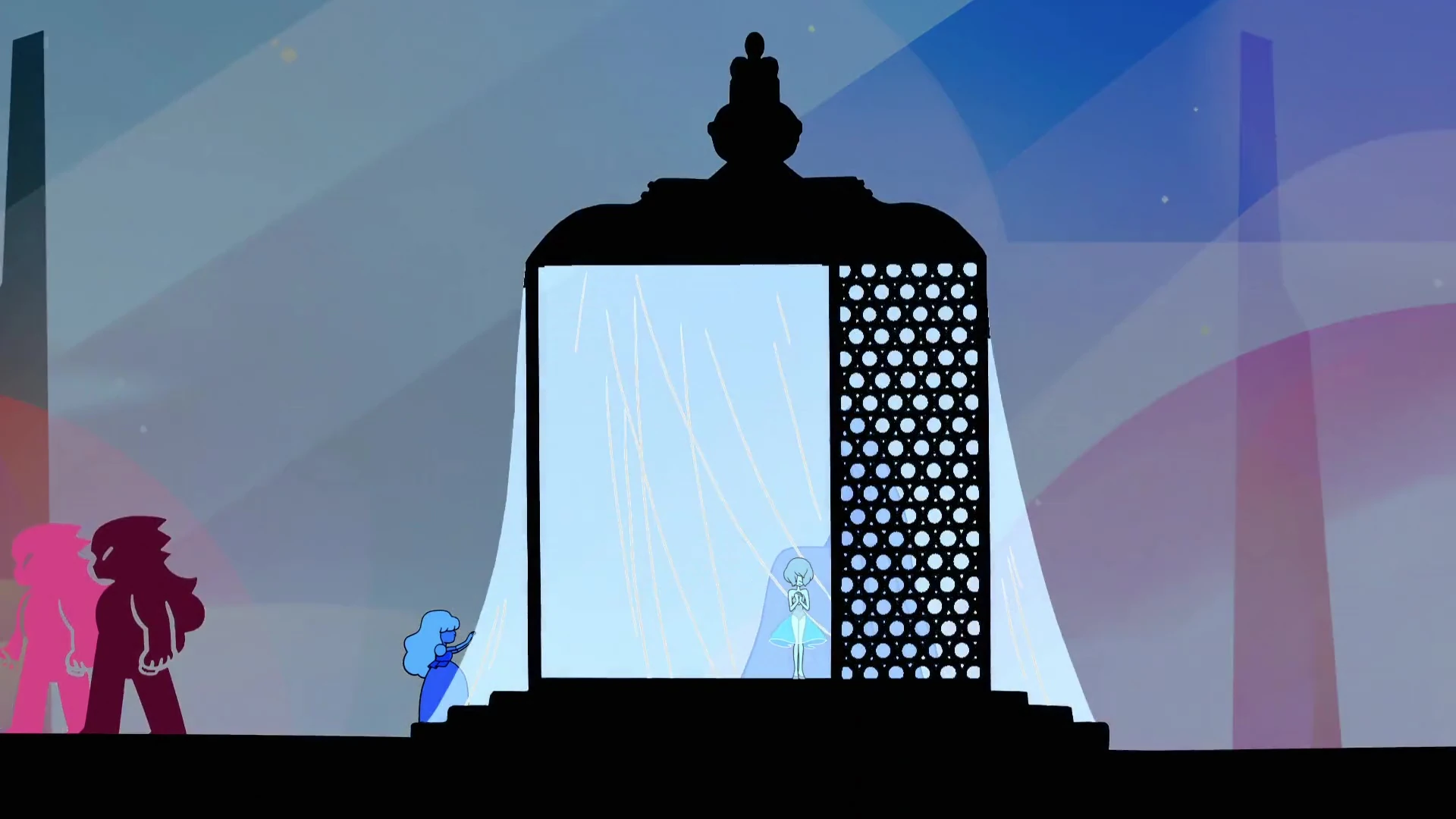
The cutout silhouette style has been imitated in cel animation format in the 1997 anime Revolutionary Girl Utena, which was in turn referenced by Cartoon Network show Steven Universe. Steven Universe creator and showrunner Rebecca Sugar has also named Reiniger as the specific inspiration for the episode ‘The Answer’.
As if Achmed being the directorial debut of then 26-year-old Reiniger and her husband was not impressive enough, it was a pioneering film in form and technique, and has been paid homage to as such up until the 21st Century. Here is a Gobelins Annecy 2015 short that pays tribute to Reiniger and Koch, and includes a subtle hint at the political adversity they faced in World War II Germany in parallel to their partnership in works of art.
Claudia Lau
 ANIM223 - HISTORY OF ANIMATION - FALL 2019